

Healthy Lifestyle Guide for Men: Nutrition, Routine, and Wellness
A healthy lifestyle is built on daily habits: what you eat, how you move, how you rest, and how you manage stress. This guide brings together practical information on each of those areas, written for men in Indonesia who want straightforward guidance — not a complicated program.
The focus here is on habits that are sustainable over time rather than quick changes that do not last. The habits below — food, movement, rest, stress, hydration — are the areas where small adjustments tend to compound. Men's health support products, including vitamin supplements for men and natural capsules for strength and vitality, fit into this broader picture as supporting components, not as replacements for the daily routine you build around meals, activity, and sleep.
Each section below covers one area with specific attention to how healthy lifestyle products fit in. The aim is to give you enough context to make informed choices without overwhelming you with a rigid program. If you read through all seven areas, you will have a practical map for building a routine that lasts.
Starting with Food
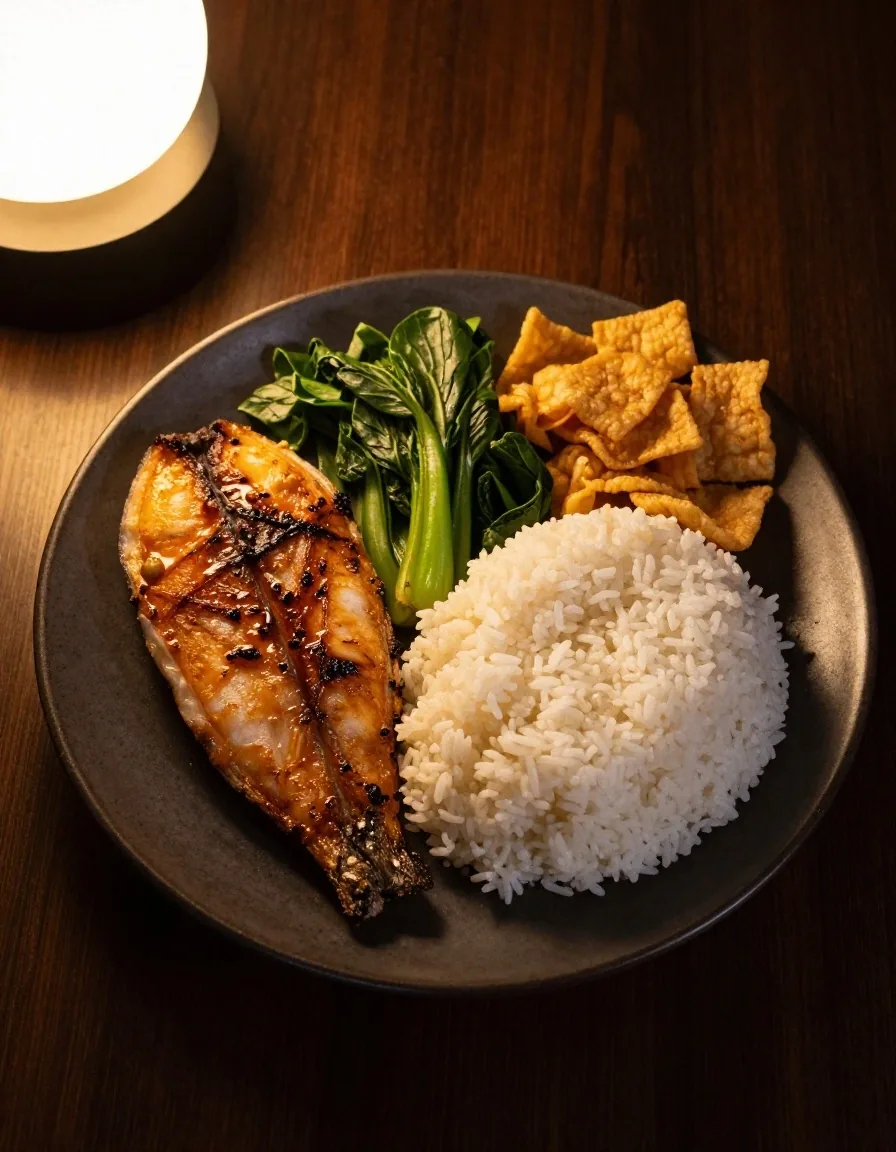
Nutrition is the first place to look when thinking about wellness. A practical approach for many men is building meals around a protein source, a carbohydrate base like rice or potatoes, and vegetables. Adding fruit during the day increases variety.
This structure is flexible and works with Indonesian food traditions without requiring expensive or unfamiliar ingredients. Nasi with grilled fish, tempeh with vegetables, or a simple egg and rice plate all fit the pattern. The point is consistency, not perfection; eating reasonably well most days matters more than occasional strict diets.
If your regular meals already cover protein, carbohydrates, and vegetables, you are building the nutritional foundation that vitamin supplements for men are designed to complement — not replace.
Where Supplements Fit In
Healthy lifestyle products, including vitamin supplements for men, are meant to fill gaps in your daily nutrition. If you eat well most of the time, you may not need much supplementation. If your diet lacks certain food groups or your routine makes balanced meals difficult, a daily multivitamin can provide nutritional backup. Supplements do not compensate for consistently poor eating, but they can help when specific nutrients are missing. Knowing what you eat regularly helps you identify those gaps.
Movement and Physical Activity
Regular movement supports cardiovascular health, muscle maintenance, and general energy levels. This does not require a gym membership or a structured workout program. Walking, cycling, bodyweight exercises, and recreational sports all count.
The key is doing something physically active most days of the week, even if the duration is short. Consistency matters more than intensity for general wellness, particularly if you have a sedentary job. A twenty-minute walk after lunch, cycling to the office twice a week, or a simple routine of push-ups and squats at home all contribute to the same goal.
When movement is already part of your week, energy and endurance supplements have a more sensible place in your routine — they support an active lifestyle rather than substituting for one.

Rest and Recovery
Sleep is the most undervalued component of a healthy lifestyle. Most adults need around seven to eight hours per night, though individual needs vary. Poor sleep affects mood, energy, appetite, and concentration.
If you are using energy and endurance supplements but sleeping four hours a night, the underlying problem is not a vitamin deficiency. Building a consistent sleep routine, limiting screen time before bed, and keeping the bedroom cool and dark are practical steps that cost nothing.
Aim for a fixed wake time even on weekends, and treat the hour before bed as a wind-down period — lower the lights, avoid heavy meals, and keep work materials out of the bedroom. These adjustments often do more for daytime energy than any supplement.
Managing Daily Stress
Stress is a normal part of life, but chronic stress affects physical well-being. Work pressure, financial concerns, and family responsibilities all contribute. Physical activity helps manage stress, as does maintaining social connections and finding time for activities you enjoy.
Some natural supplements for men contain ingredients like ashwagandha or magnesium that are marketed for relaxation. These are additions to stress management, not replacements for addressing the sources of stress themselves. If work deadlines or financial pressure are the root cause, no capsule resolves that — but a short walk, a conversation with a friend, or an evening without screens can reduce the load measurably.
Practical steps: identify one recurring stressor each week, note what you can and cannot control about it, and pick one small action that addresses the part you can influence. Over weeks, these small actions stack.
Hydration as a Daily Habit
Drinking enough water is one of the simplest and most overlooked aspects of wellness. Water supports digestion, temperature regulation, and physical performance. In a tropical climate like Indonesia's, hydration needs are higher, especially if you spend time outdoors or exercise.
Carrying a water bottle and drinking regularly throughout the day is more effective than trying to catch up all at once. Beverages like coffee and tea contribute to fluid intake but can have mild diuretic effects, so plain water should remain the base.
- Keep a refillable bottle visible at your desk or in your bag — out of sight usually means out of mind.
- Drink a glass of water with each meal and one between meals — this sets a natural rhythm.
- Add an extra portion on hot days, after outdoor activity, or after consuming coffee or tea.
- Pay attention to thirst and the color of urine as simple self-checks — both are rough guides, not diagnostics.
- Do not rely on energy drinks or sweetened beverages for fluid intake — they add sugar without solving hydration.

Reading Labels and Making Choices
When you buy healthy lifestyle products, the label is your primary source of information. Check the ingredient list, the serving size, and the manufacturer details. Be cautious of products that make grand claims on the front but list only common ingredients on the back.
Natural supplements for men are widely available, and most contain similar base ingredients. The differences between products are often smaller than the marketing suggests. Popular products for men tend to share core vitamins and minerals — the decision usually comes down to dosage, form, and whether the ingredient list is transparent.
Look for: a complete ingredient list with quantities, a clear serving size, manufacturer name and contact information, and a batch or lot number. If any of these are missing, treat the product with caution regardless of how appealing the front label reads.
Building a Routine That Lasts
The most effective lifestyle changes are the ones you can maintain over months and years.
Start with one or two adjustments, such as adding a vegetable to dinner or walking for fifteen minutes after lunch. Once those become habits, add another. The compounding effect of small changes — a better meal, a short walk, an earlier bedtime — is what shifts a routine over time, not a single dramatic overhaul.
Supplements can be part of this process, but they are supporting components, not the foundation. The foundation is the daily routine you build around food, movement, rest, and stress management. Once that foundation is steady, a daily multivitamin or a targeted supplement has a clear place — it fills the gaps the routine does not cover.
A reasonable timeline: pick one change per week, practice it for three weeks before adding the next, and review the full set every month. If a habit does not stick after a month, adjust the approach rather than abandoning the goal.
Explore related guides on supplements, vitamins, and popular products for men.
Each guide covers a specific area of men's wellness with the same practical approach — what to look for, how products fit, and what to expect.
If you have questions about specific products or routines, the VitalMan Guide team is available during working hours.
We respond to questions about supplement ingredients, label reading, and how healthy lifestyle products fit into a daily routine. We do not provide medical advice — for individual health concerns, consult a qualified professional.
- Address Jl. Sudirman No. 45, Jakarta Pusat, DKI Jakarta 10220, Indonesia
- Phone +62 21 5790 3456
- Email [email protected]
- Working Hours Monday to Friday, 9:00 AM – 6:00 PM WIB